What is Obsessive Compulsive Disorder?
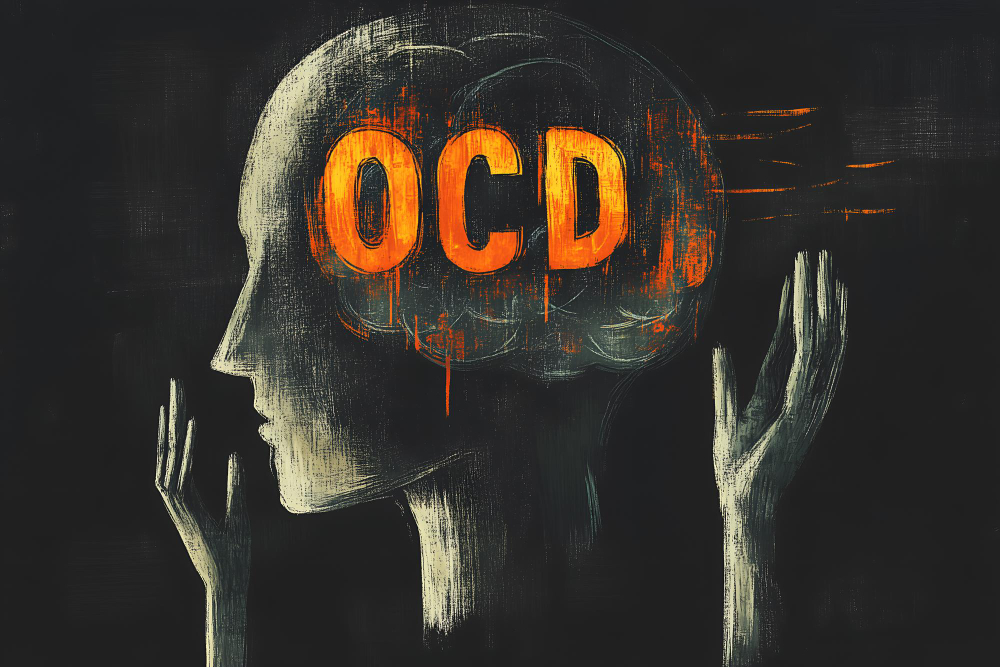
Obsessive Compulsive Disorder, often called OCD, is a mental health condition. It is not just about liking things clean or tidy. Instead, OCD involves unwanted thoughts, called obsessions, and repeated actions, called compulsions. These thoughts and actions can take up a lot of time and cause stress. For many people, OCD can affect daily life, work, and relationships. According to the World Health Organization (WHO), OCD is one of the top 20 causes of illness-related disability worldwide.
Common Symptoms of OCD
OCD symptoms can look different for each person. However, there are some common signs to watch for. Often, people with OCD feel trapped in a cycle of obsessions and compulsions. For example, someone might worry about germs and wash their hands many times a day. Here are some common symptoms:
Sometimes, these symptoms can be mild. But in many cases, they can take up hours each day and cause distress.
Causes and Risk Factors
While the exact cause of OCD is not fully known, experts believe several factors play a role. For instance, genetics can increase the risk. If someone in your family has OCD, you may be more likely to develop it. In addition, changes in brain chemicals, such as serotonin, may also be involved. Stressful life events can sometimes trigger OCD symptoms. Other risk factors include:
Even though these factors can raise the risk, not everyone with them will develop OCD.
How OCD is Diagnosed
Diagnosing OCD involves more than just noticing neat habits. Usually, a mental health professional will ask about your thoughts, feelings, and actions. They may use special questions or checklists to help. For a diagnosis, the obsessions and compulsions must take up a lot of time or cause problems in daily life. Sometimes, doctors may also check for other conditions that can look like OCD, such as anxiety or depression.
Treatment Options for OCD
Thankfully, OCD is treatable. Many people find relief with the right help. Treatment options for OCD often include:
In some cases, a mix of therapy and medicine works best. Always talk to a doctor before starting or stopping any treatment.
Everyday Life and Coping Strategies
Living with OCD can be challenging. However, there are ways to cope and manage symptoms. For example, many people find these tips helpful:
Additionally, joining an OCD support group in your area or online can provide comfort and advice.
Myths and Facts About OCD
There are many myths about OCD. Clearing up these myths can help people understand the condition better. Here are some common myths and the facts:
Understanding the facts can help reduce stigma and support those living with OCD.
Prevention and When to Seek Help
Currently, there is no sure way to prevent OCD. However, early treatment can help manage symptoms and improve quality of life. If you notice signs of OCD in yourself or someone you care about, it is important to seek help. For example, if obsessions or compulsions take up more than an hour a day or cause distress, talk to a mental health professional. In many cities, there are resources and support for OCD. The Centers for Disease Control and Prevention (CDC) and local mental health clinics can offer guidance.
If you or someone you know is struggling with OCD, consult a mental health professional for personalized support.