
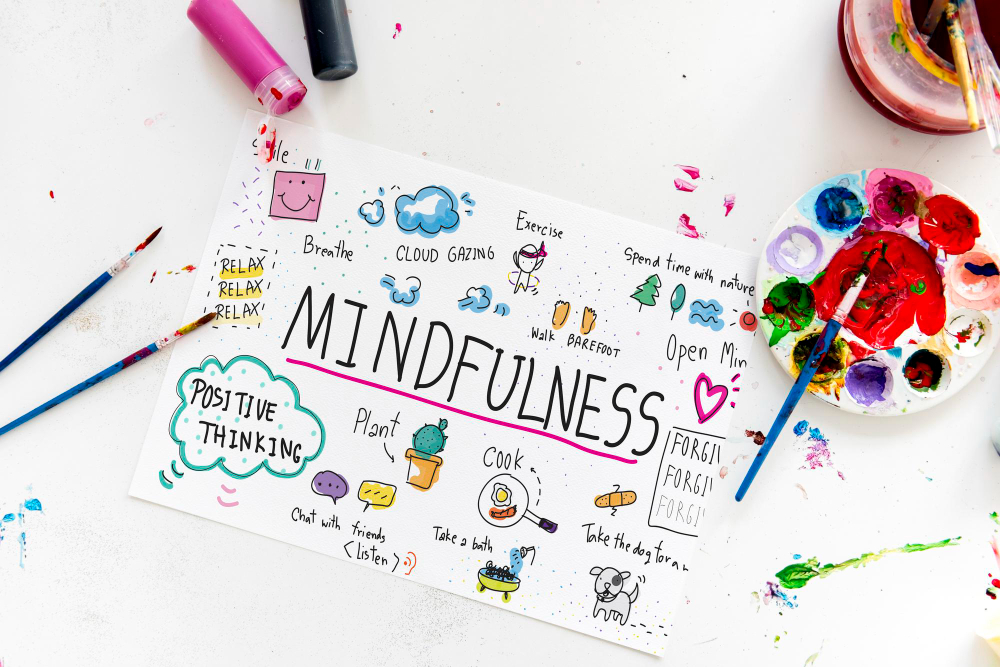
Introduction to Mindfulness Practices
Mindfulness practices are simple ways to focus your mind on the present moment. Many people use mindfulness to reduce stress and improve well-being. In fact, mindfulness practices can help you gain mental clarity and support emotional health. According to the World Health Organization, mental health is just as important as physical health. Therefore, learning about mindfulness can benefit everyone.
Key Benefits for Mental Clarity
Mindfulness for mental clarity is gaining popularity. When you practice mindfulness, you train your brain to pay attention. As a result, your thoughts become clearer and less scattered. For example, studies show that mindfulness can help you:
Moreover, regular mindfulness practices may lower stress, which often clouds the mind. Even a few minutes a day can make a difference.
Emotional Health Improvements
Besides mental clarity, mindfulness also supports emotional health. Many people notice they feel calmer and happier after practicing. For instance, research from the CDC shows that mindfulness can help manage anxiety and depression. Additionally, emotional health benefits of mindfulness include:
Because mindfulness helps you notice your feelings, you can respond instead of react. This leads to healthier emotional habits over time.
How to Start Mindfulness Practices
Getting started with mindfulness is easy. You do not need special tools or training. However, it helps to follow a few simple steps. Here is how to practice mindfulness daily:
Some people also use guided mindfulness apps or videos. Either way, the key is to practice often.
Tips for Consistency and Success
Sticking with mindfulness practices can be challenging at first. Yet, with a few tips, you can build a lasting habit. For example:
Furthermore, remember that progress takes time. Even short sessions can help if you practice often.
Potential Challenges and Solutions
At times, you may face challenges with mindfulness. For instance, your mind may wander or you may feel restless. However, these issues are normal. Here are some solutions:
With patience and kindness toward yourself, you can overcome these challenges.
Conclusion & Call-to-Action
In summary, mindfulness practices offer many benefits for mental clarity and emotional health. By practicing daily, you can enjoy a calmer mind and better mood. If you want more guidance, consult a mental health professional for personalized mindfulness advice.